Mitosis vs Meiosis: The Key Differences Explained
Mitosis makes two identical body cells; meiosis makes four different sex cells with half the chromosomes. See the stages, a comparison table and the classic exam traps.
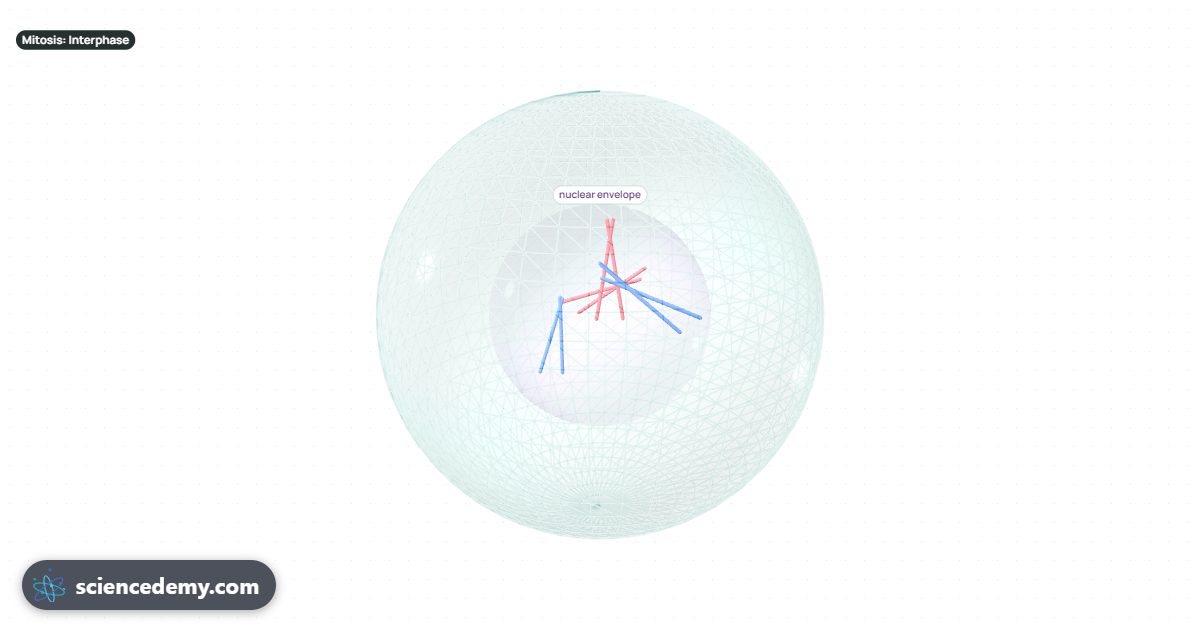
Mitosis vs meiosis comes down to what each division is for. Mitosis makes two cells that are genetically identical to the parent and to each other, with the full set of chromosomes, for growth and repair. Meiosis makes four cells that are all genetically different, each with half the chromosomes, to become sperm or egg cells. Mitosis copies a cell; meiosis shuffles and halves its DNA.
What is mitosis?
Mitosis is a type of cell division that produces two daughter cells identical to the parent cell. A human skin cell with 46 chromosomes divides into two skin cells with 46 chromosomes each, carrying exactly the same genes.
Your body uses mitosis whenever it needs more of the same cell:
- Growth: a fertilised egg becomes about 37 trillion cells by mitosis.
- Repair: a cut heals as skin cells around it divide.
- Replacement: the lining of your gut is replaced every few days.
- Asexual reproduction: strawberry runners and potato tubers make clones of the parent plant.
What is meiosis?
Meiosis is a type of cell division that produces four gametes (sex cells), each with half the normal number of chromosomes and each genetically different. In humans it only happens in the testes and ovaries.
Halving the number matters because of fertilisation. A sperm with 23 chromosomes joins an egg with 23, and the zygote ends up with 46, the right number. Without meiosis, the chromosome number would double in every generation.
What are haploid and diploid cells?
Haploid and diploid cells differ in how many sets of chromosomes they carry. A diploid cell has two sets, one from each parent, written 2n. A haploid cell has one set, written n.
In humans, 2n = 46 (23 pairs) and n = 23. Body cells are diploid; gametes are haploid. The two chromosomes in each pair are called homologous chromosomes: they carry the same genes in the same places, but possibly different versions (alleles) of them.
What are the stages of mitosis and meiosis?
Before either division the cell spends time in interphase. It grows, makes more organelles and, crucially, copies its DNA. After copying, each chromosome is two identical sister chromatids joined at a centromere, which is the X shape you see in diagrams.
Mitosis: one division
- Prophase: chromosomes coil up and become visible; the nuclear membrane breaks down.
- Metaphase: chromosomes line up single file across the middle of the cell, attached to spindle fibres.
- Anaphase: spindle fibres pull the sister chromatids apart to opposite ends.
- Telophase: a nuclear membrane forms round each set.
- Cytokinesis: the cytoplasm and membrane split, giving two cells.
Meiosis: two divisions
The stages of mitosis and meiosis share the same names, but meiosis runs through them twice.
- Meiosis I separates the homologous pairs. In prophase I, the pairs line up side by side and swap sections. In metaphase I, the pairs (not single chromosomes) line up across the middle. In anaphase I, one chromosome from each pair goes to each end. The result is two haploid cells.
- Meiosis II separates the sister chromatids, just like mitosis. Each of the two cells divides again, giving four haploid cells.
Where does the variation in meiosis come from?
Two events make every gamete different.
Crossing over in meiosis happens in prophase I. Homologous chromosomes touch and exchange matching sections of DNA, so each chromosome ends up as a new mix of the mother's and father's alleles.
Independent assortment happens in metaphase I. Each pair lines up with the maternal or paternal chromosome on either side at random. With 23 pairs, that alone gives 2²³, or about 8.4 million, possible combinations of chromosomes in one person's gametes, before crossing over adds more.
Random fertilisation multiplies the two: any of a father's sperm can meet any of a mother's eggs. That's why siblings (apart from identical twins) are never genetically the same.
Mitosis vs meiosis: comparison table
Here is the difference between mitosis and meiosis at a glance:
| Mitosis | Meiosis | |
|---|---|---|
| Purpose | Growth, repair, asexual reproduction | Making gametes |
| Where (humans) | All over the body | Testes and ovaries only |
| Number of divisions | 1 | 2 |
| Cells produced | 2 | 4 |
| Chromosomes per cell (humans) | 46 (diploid, 2n) | 23 (haploid, n) |
| Genetically identical? | Yes, to each other and the parent | No, all different |
| Homologous pairs line up? | No, chromosomes line up singly | Yes, in metaphase I |
| Crossing over? | No | Yes, in prophase I |
| DNA copied before division | Once | Once |
Common mistakes
- Saying DNA is copied twice in meiosis. It is copied once, in interphase, and then the cell divides twice. That's how four cells end up with half the DNA.
- Halving in the wrong division. The chromosome number halves in meiosis I, when the pairs separate. Meiosis II separates chromatids and keeps the number the same.
- Calling gametes "half cells". A sperm cell is a complete cell. It has half the chromosomes, not half of everything.
- Mixing up chromatids and chromosomes. Two sister chromatids are copies joined together; homologous chromosomes are a pair, one from each parent.
- Forgetting cytokinesis. Mitosis divides the nucleus; cytokinesis splits the cell itself.
Frequently asked questions
What is the main difference between mitosis and meiosis?
The main difference is the outcome. Mitosis produces two diploid cells that are genetically identical to the parent, and it is used for growth and repair. Meiosis produces four haploid cells that are genetically different from each other and from the parent, and it is used to make sperm and egg cells. Meiosis needs two divisions to achieve this; mitosis needs only one.
Why does meiosis halve the chromosome number?
Meiosis halves the chromosome number so that fertilisation restores it. A human sperm and egg each carry 23 chromosomes, so the zygote they form has 46. If gametes were made by mitosis, each would carry 46 and the zygote would have 92, and the number would keep doubling in every generation. Halving keeps the chromosome number the same from parents to children.
Does crossing over happen in mitosis?
No. Crossing over only happens in prophase I of meiosis, when homologous chromosomes pair up side by side and swap matching sections of DNA. In mitosis the homologous chromosomes never pair up, so there is nothing to exchange. That is one reason mitosis gives identical cells: no alleles are reshuffled, and each daughter cell gets an exact copy of every chromosome.
Which cells in the body divide by meiosis?
Only cells in the reproductive organs: cells in the testes that become sperm and cells in the ovaries that become eggs. Every other dividing cell in the body, from skin and bone marrow to the lining of the gut, divides by mitosis. Nerve cells and most heart muscle cells hardly divide at all once they are fully formed.
Try it yourself
Open the Cell Division simulator and pick Mitosis. Press Next ▶ to step through prophase, metaphase, anaphase and telophase, and watch the DNA in each cell bar double in interphase, then halve as the cell splits. Switch to Meiosis, turn on Crossing over and step through again: count the cells at the end and the chromosomes in each.
Want to see what the DNA in those chromosomes actually does? Build a gene in the DNA Builder and read how DNA makes a protein. To see where the nucleus sits inside a whole cell, open the 3D Cell Explorer.
شاهد بنفسك، وبأبعاد ثلاثية ومجانيًا.
جرّبها على انقسام الخلية: الانقسام الفتيلي & الانقسام المنصّف