The free virtual 3D science lab
A virtual 3D lab is a science experiment you can pick up and turn round. Mix chemicals and watch them react, switch on an electrolysis cell, throw a planet into orbit, fire a neuron or follow a blood cell through a beating heart. Every lab below is free, runs in your browser and comes with a guided tour and a quiz.
What makes it a lab, not a video
- You do the experimentPour, heat, drag, throw and switch things on. Nothing plays by itself: what you see comes from what you did.
- Real 3D, any angleTurn the beaker, walk round the heart, pull the lobes of the brain apart. Shapes that are hard to picture on a flat page make sense in 3D.
- Real numbersReactions are balanced, orbits come from Newton’s law, the heart’s output is stroke volume × rate. Graphs draw themselves as you go.
- A tour and a quiz in every labEach lab has a step-by-step guided tour, a classic experiment from history and a quiz that explains every wrong answer.
- Free, no login, any deviceIt runs in the browser on phones, tablets, Chromebooks and laptops. No account, no install, no tracking of students.
- Safe for any experimentBurn magnesium, make chlorine, overheat an enzyme or fling a planet into the Sun without a risk assessment.
Virtual chemistry lab
ابنِ الذرات، اسحب الإلكترونات منها، اجذب الجزيئات، اخلط المواد الكيميائية في مختبر افتراضي وادمج الأنوية مثل الشمس.
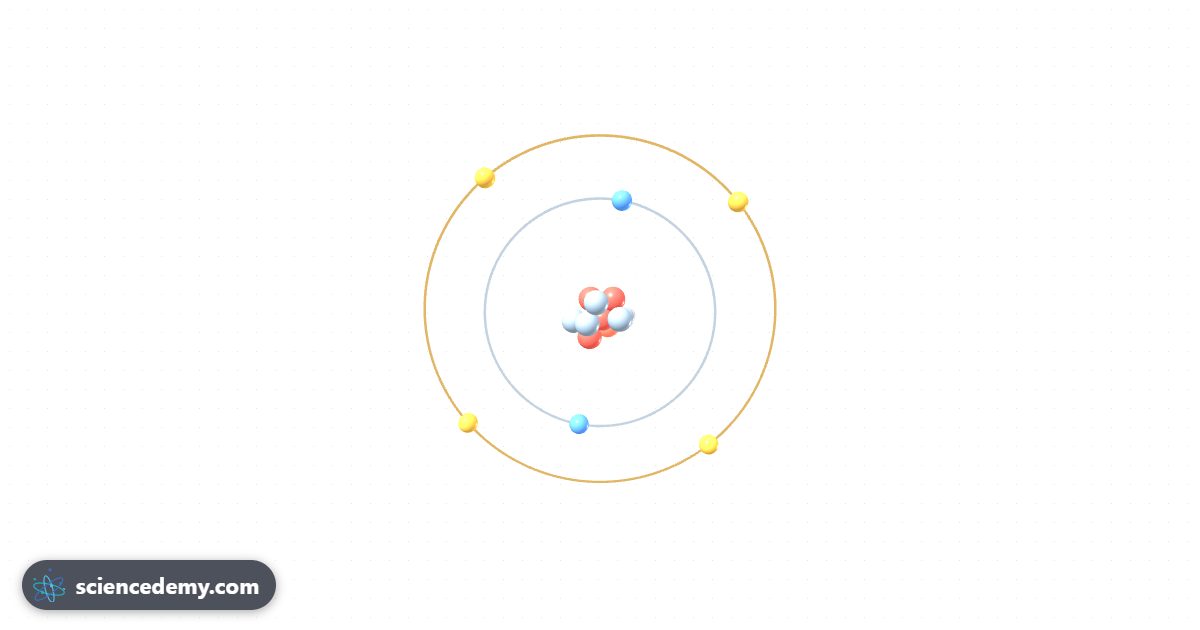 صانع الذراتأضف البروتونات والنيوترونات والإلكترونات وشاهد كيف تتشكّل أي من العناصر أو النظائر أو الأيونات الـ 118.
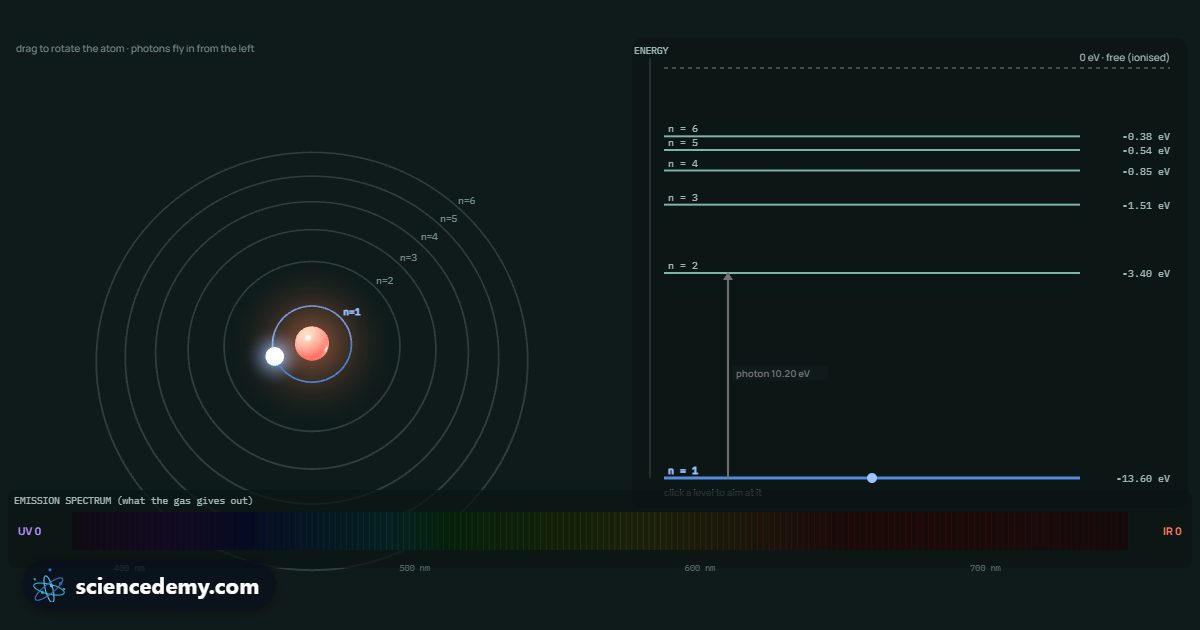 مختبر الإلكتروناتإطلاق فوتونات على ذرة: راقب كيف تقفز الإلكترونات بين الأغلفة وتلمع بألوان مختلفة ثم تتحرر في النهاية.
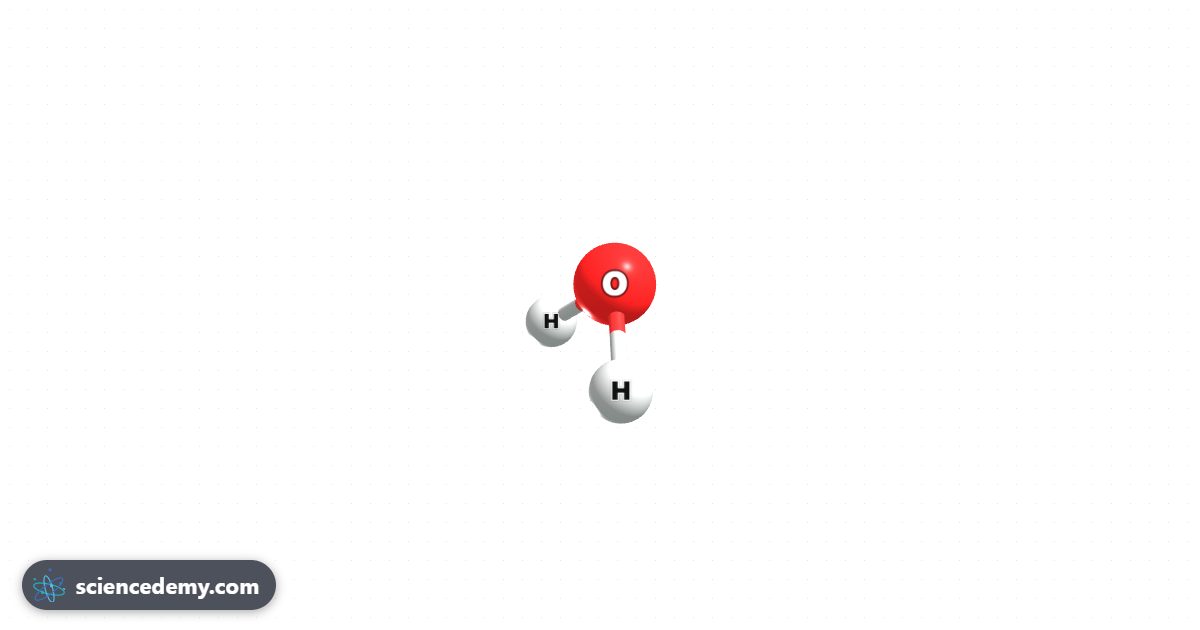 صانع الجزيئاتاسحب الذرات معًا لتكوّن روابط مفردة وثنائية وثلاثية واكتشف الجزيئات الحقيقيّة.
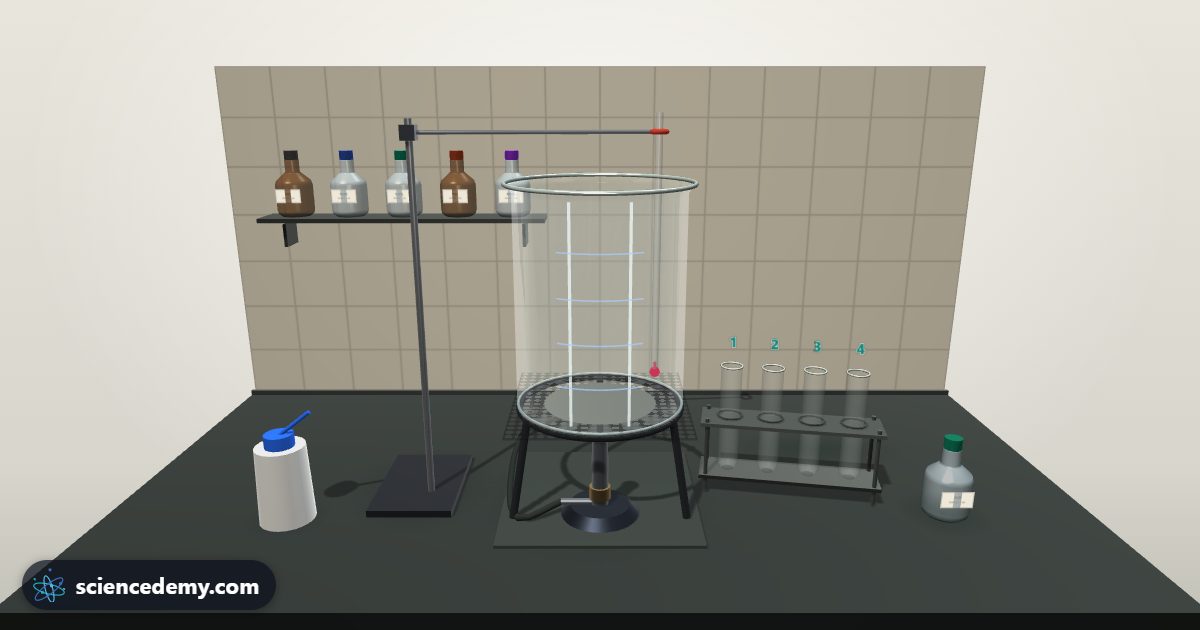 مختبر الكيمياءاسكب المواد الكيميائية في كوز زجاجي، سخّنها على شعلّة بنزن، وشاهد التفاعلات الحقيقية.
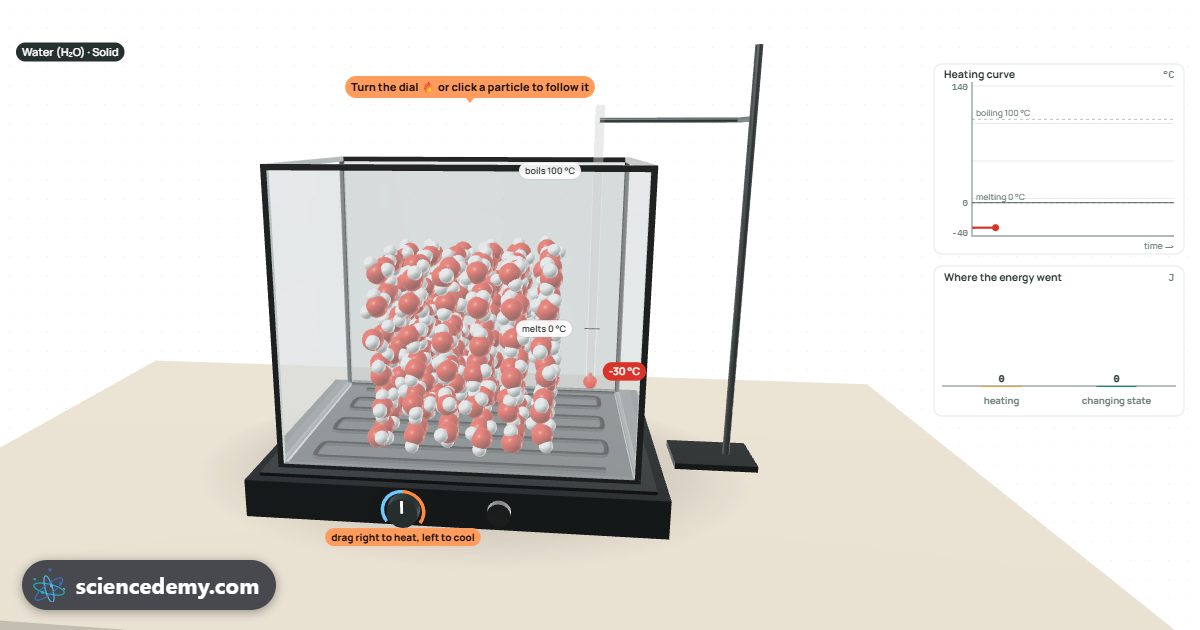 States of MatterHeat ice until it melts and boils: watch the particles change and the heating curve draw itself, flat steps and all.
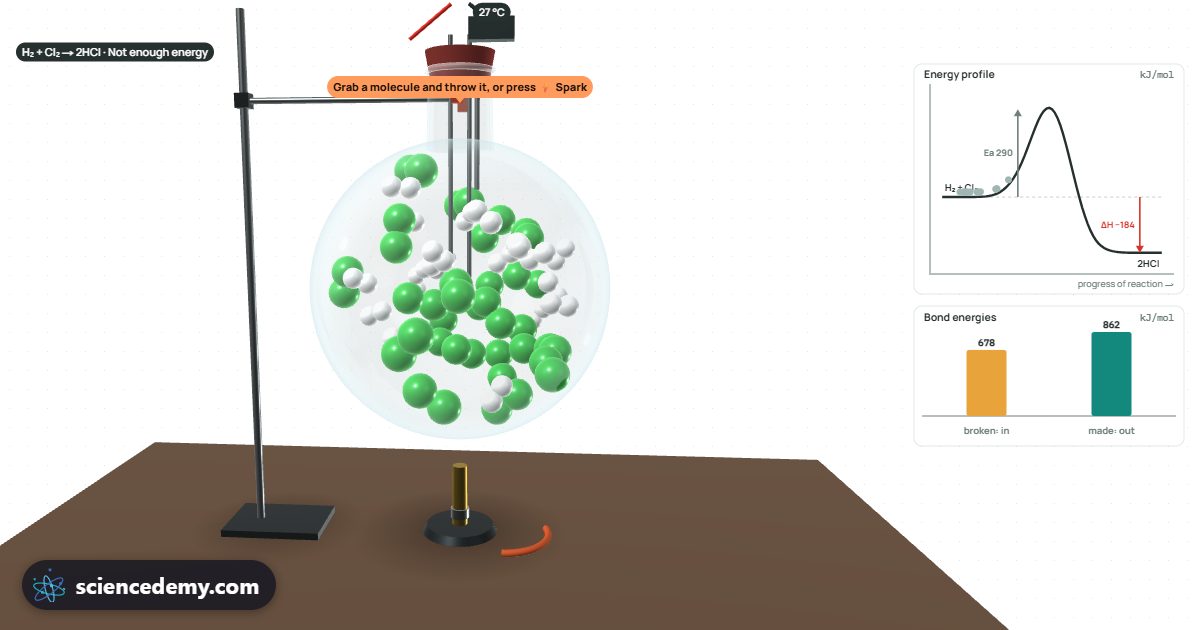 Chemical EnergeticsCollide molecules over an activation-energy hill and watch exothermic reactions heat up and endothermic ones cool down.
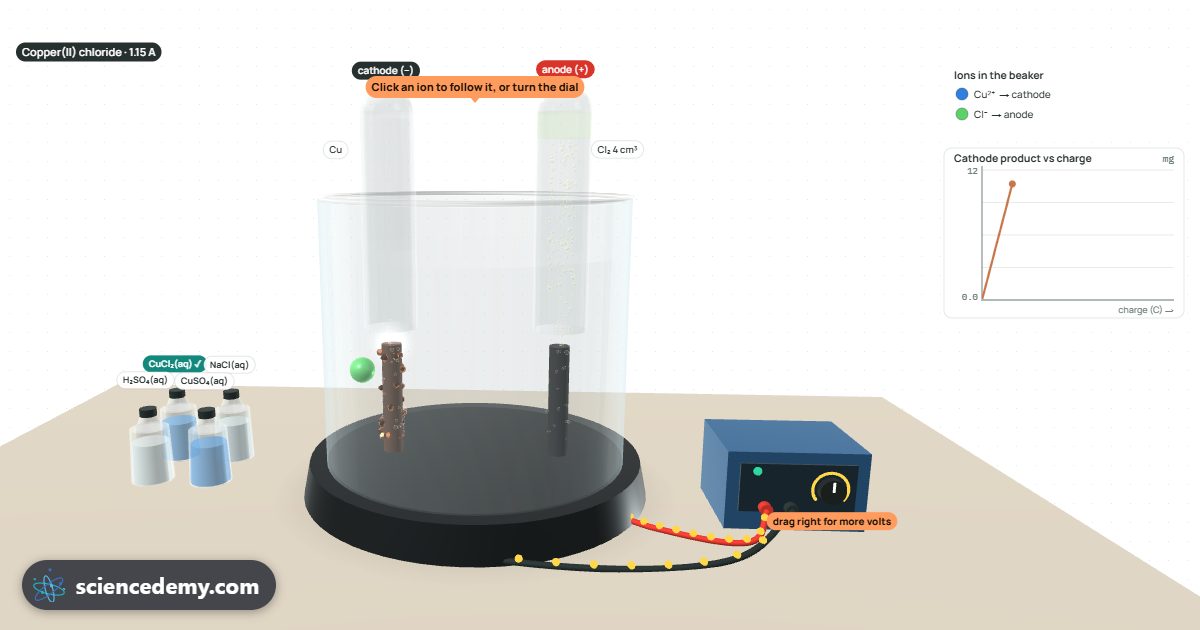 ElectrolysisSwitch on a power pack and watch ions drift to the electrodes: copper plates the cathode and gases bubble into the tubes.
 الاندماج النوويسخّن بلازما واطلق النواة معًا لترى كيف يحوّل الشمس الكتلة إلى طاقة.
- صيغ الكيمياءكل معادلة كيميائية، مباشرًا: اكتب أرقامًا أو استخلصها مما بنيته.
Virtual physics lab
Read a Vernier caliper and screw gauge, time a pendulum, make waves and sound, launch projectiles, wire circuits and bend light through lenses.
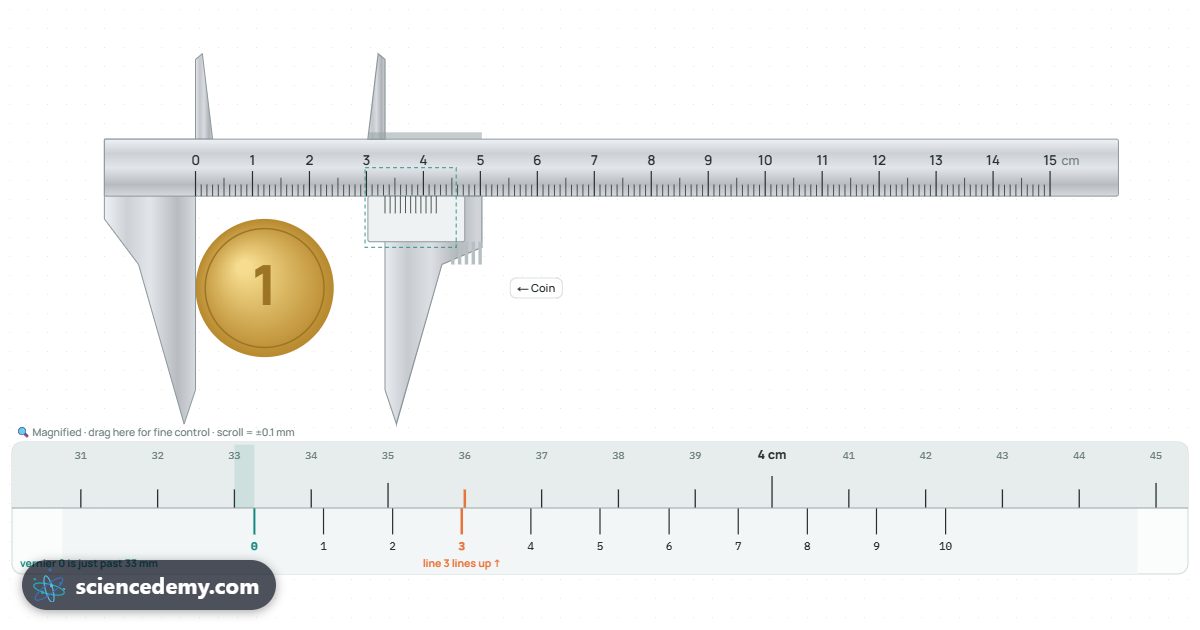 الفرجار الانزلاقي ومؤشر البراغيانزلق فكي الفرجار الفيرني أو قم بتدوير مقياس اللولب، اقرأ المقاييس وتحقق من قراءتك.
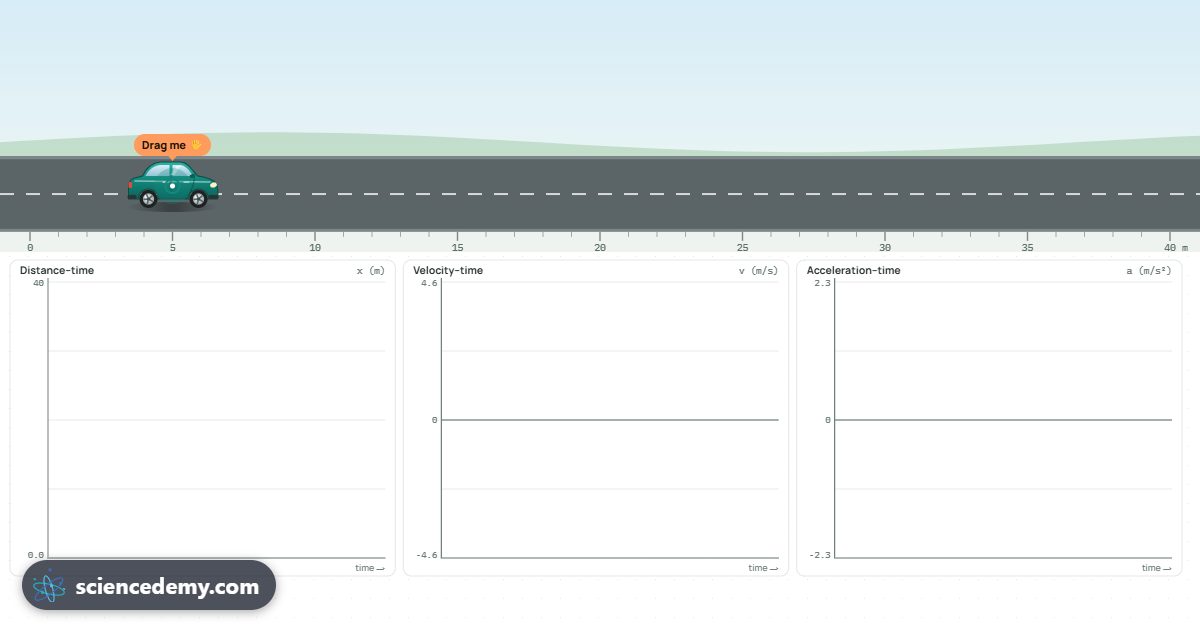 رسوم بيانية حركيةاقود سيارة وراقب كيف ترسم رسومها البيانية للمسافة-الزمن، السرعة-الزمن، والتسارع-الزمن بشكل مباشر.
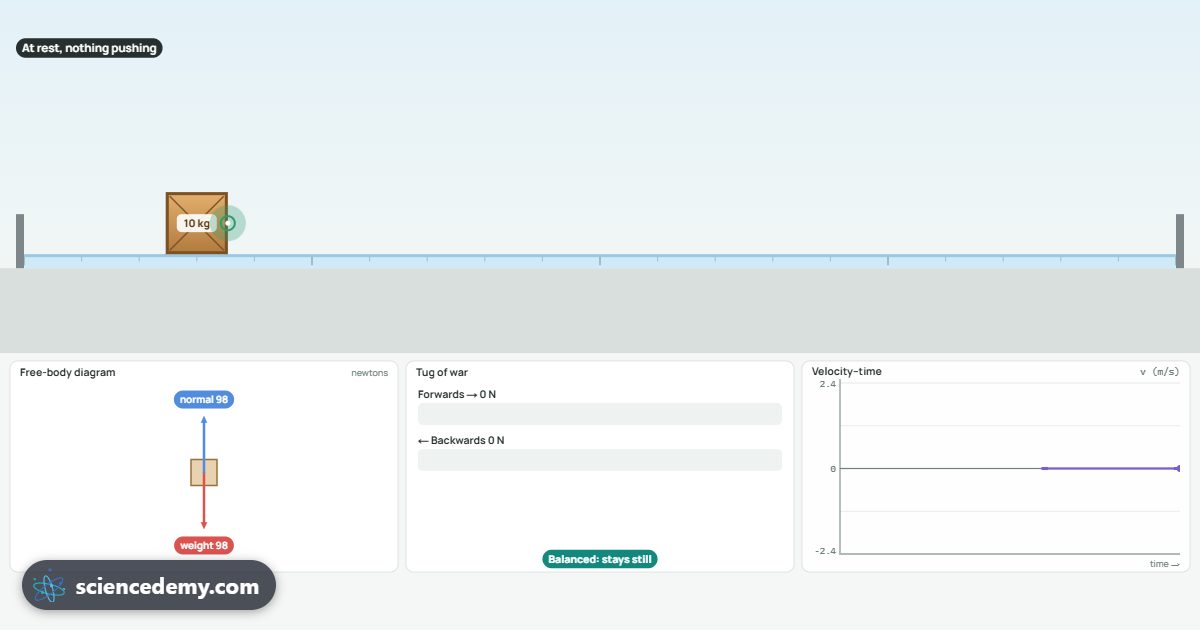 القوى وقوانين نيوتناسحب صندوقًا على الخشب، الجليد أو المطاط وراقب مخطط الجسم الحر، الاحتكاك و F = ma بشكل مباشر.
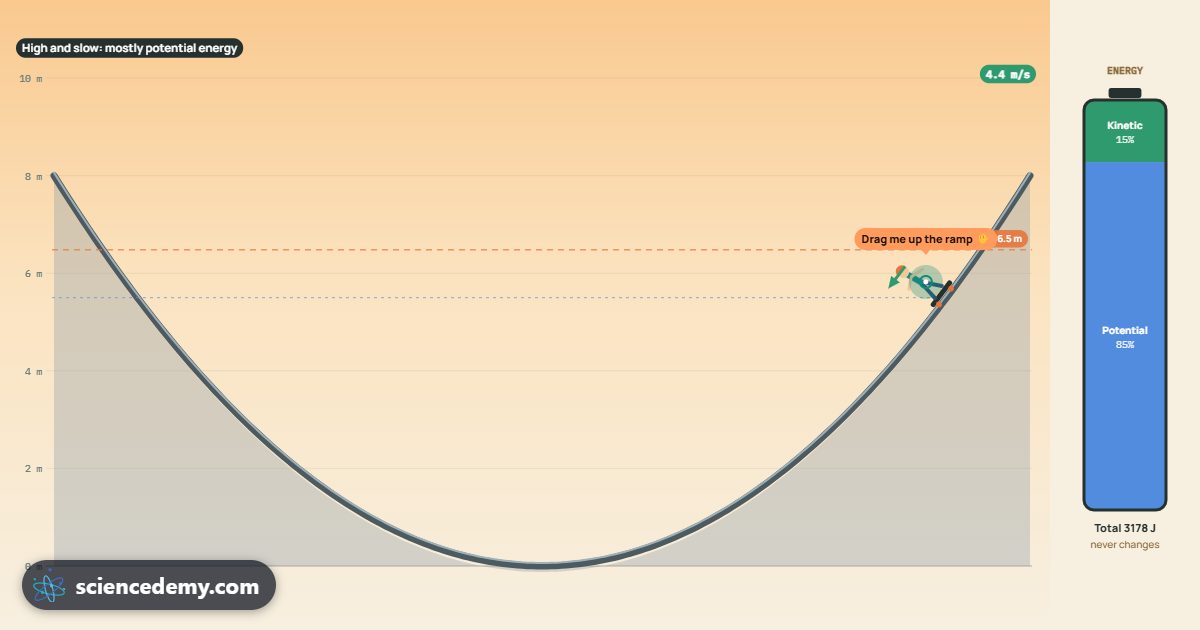 منتزه تزلج الطاقةارمي متزلجًا في نصف أنبوب وراقب كيف تتبادل الطاقة الحركية، الكامنة والحرارية، بينما تظل الكلية نفسها.
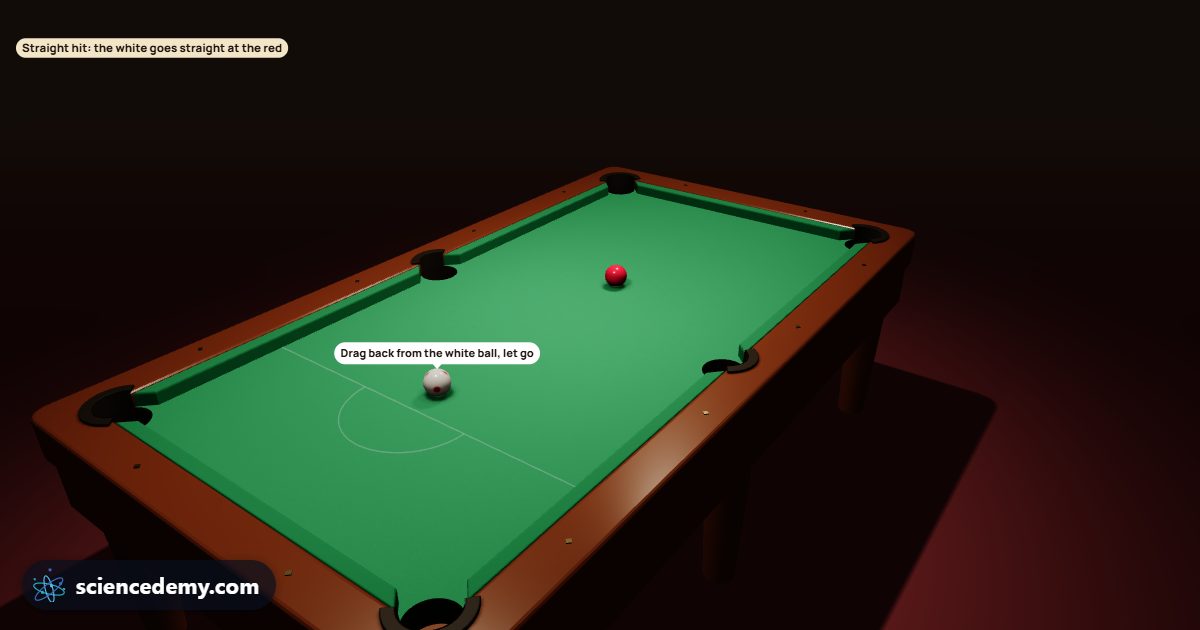 مُتَماصّات & تصادُماتاصدم العربات على مسار هوائي، مرن أو لزج، وراقب حفظ الزخم في كل مرة بينما الطاقة الحركية لا تحفظ.
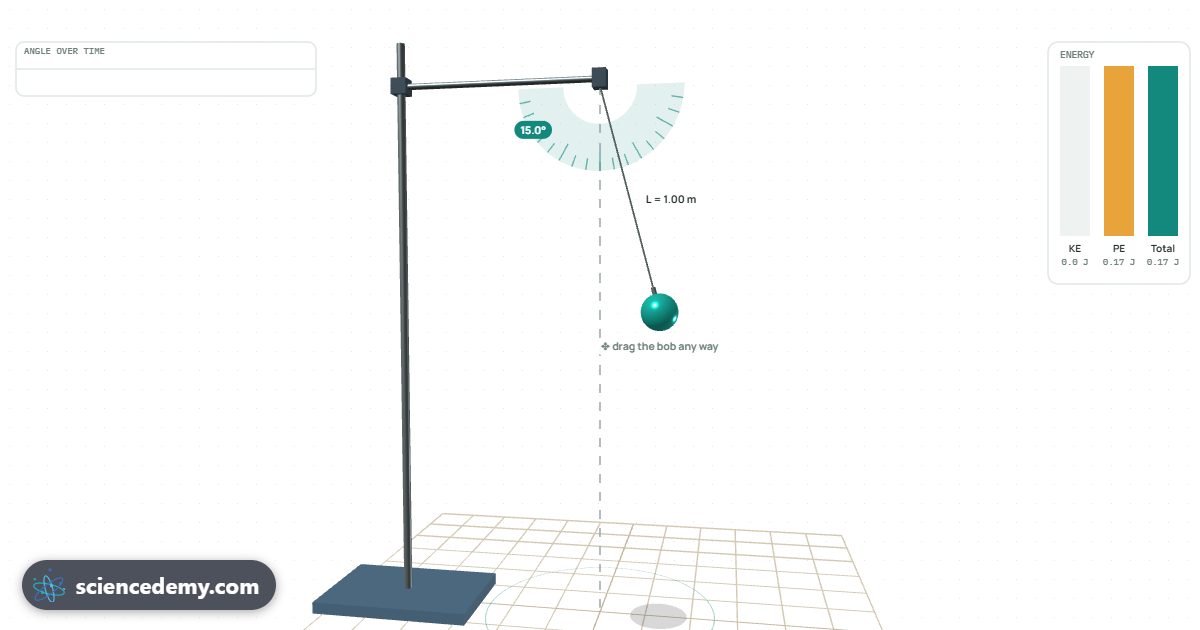 مختبر البندولغيّر الطول والكتلة والكوكب، وحدد أوقات التأرجح ثم احسب عجلة الجاذبية g من خلال التمثيل البياني الذي سته.
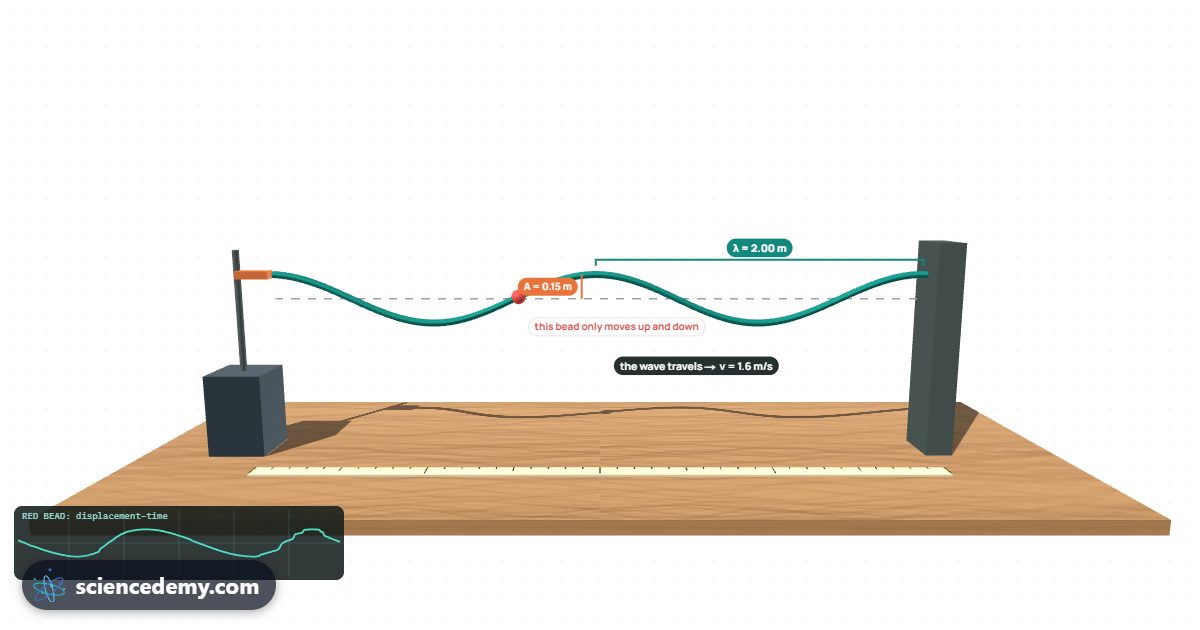 Waves & SoundMake waves on a rope, see and hear sound, pluck a 3D guitar and hit a drum: wavelength, frequency and v = fλ.
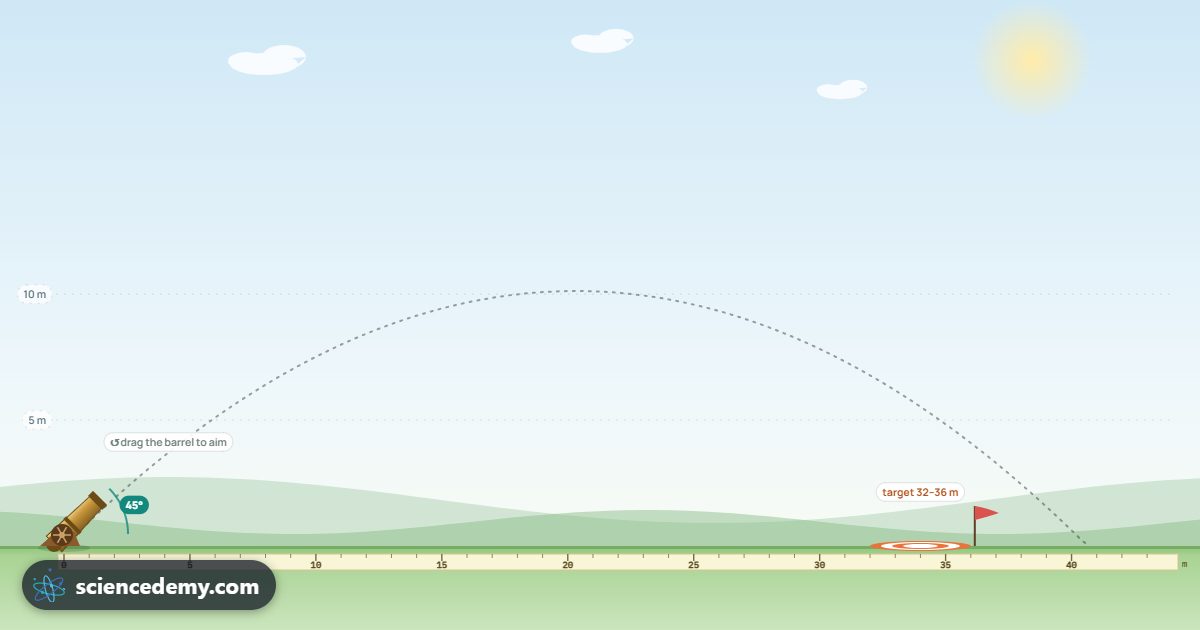 حركة المقذوفاتاطلق كرة بأي زاوية وسرعة، اضرب الهدف ولاحظ لماذا تصل الكرة في زاوية 45 درجة إلى أبعد مسافة.
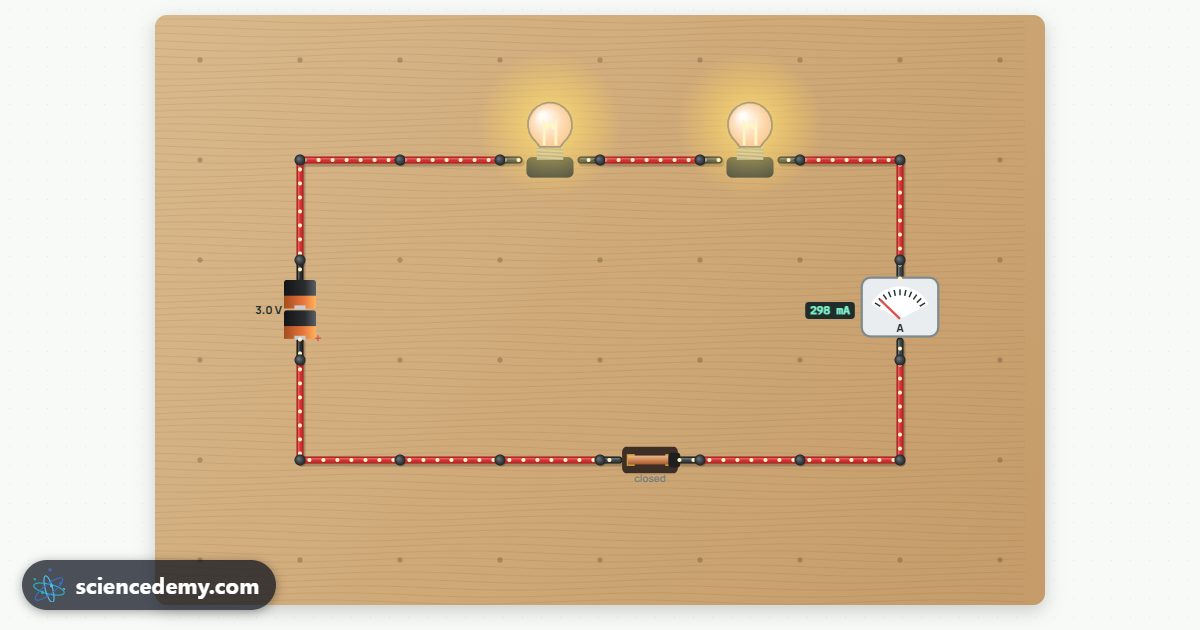 صانع الدوائراسحب البطاريات والمصابيح والمقاومات والمفاتيح إلى لوحة ومشاهد تدفق التيار.
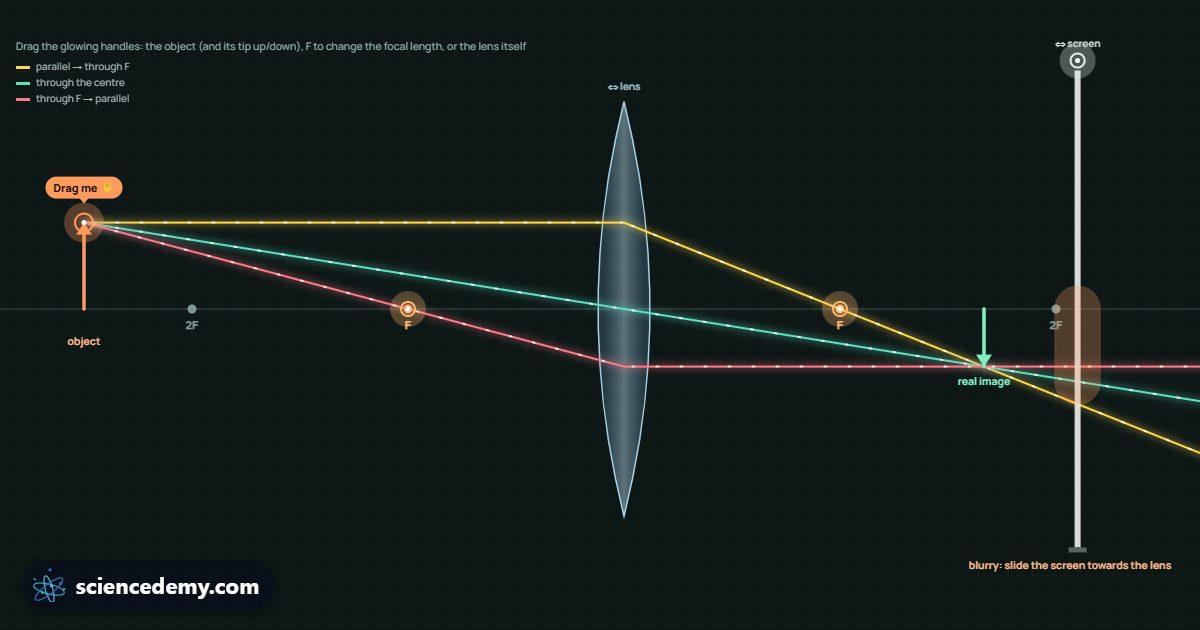 العدسات & الضوءحرك جسمًا أمام عدسة أو مرآة وشاهد الأشعة تكوّن صورًا حقيقية وافتراضية.
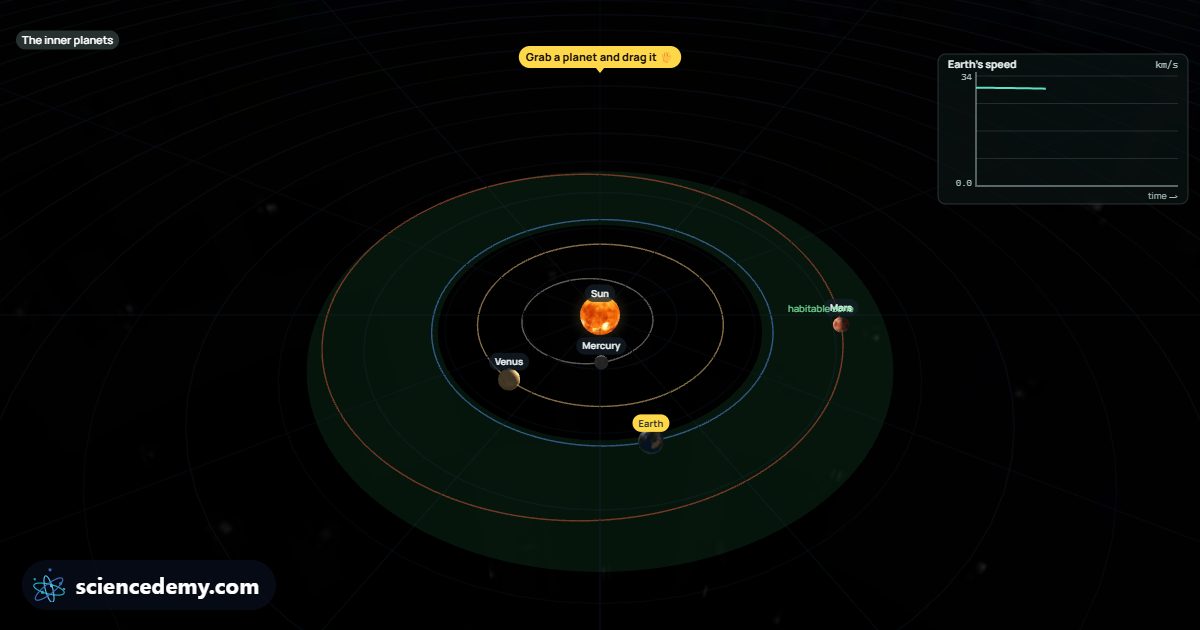 Gravity & OrbitsWatch the planets orbit in 3D, shade Kepler’s equal areas, try two suns and launch your own planet.
- صيغ الفيزياءكل معادلة فيزيائية كآلة حاسبة: حل لأي قيمة، أو املأها من تجاربك الخاصة.
Virtual biology lab
افتح خلية ثلاثية الأبعاد، وراقب الأسموزية والإنزيمات والتمثيل الضوئي أثناء عملها، وراقب انقسام الخلايا عن طريق الانقسام المتساوي والانقسام الاختزالي، وتتبّع الدم عبر قلب ثلاثي الأبعاد ينبض.
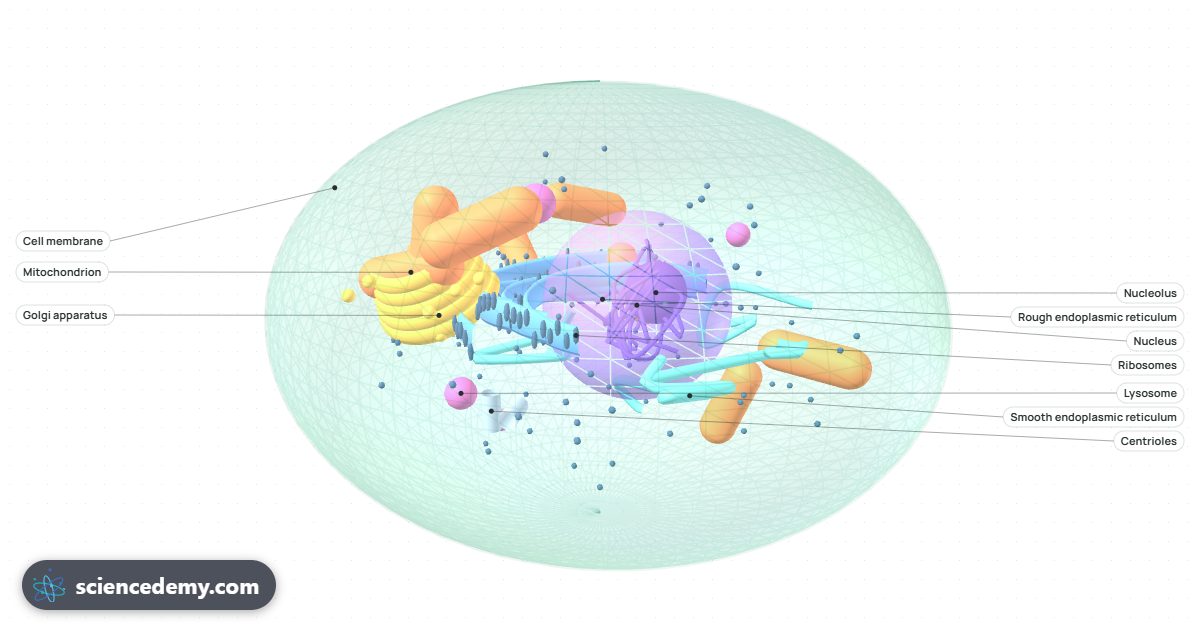 استكشاف الخليةأدر خلية حيوانية أو نباتية ثلاثية الأبعاد، انقر على كل عضية واكتشف وظيفتها.
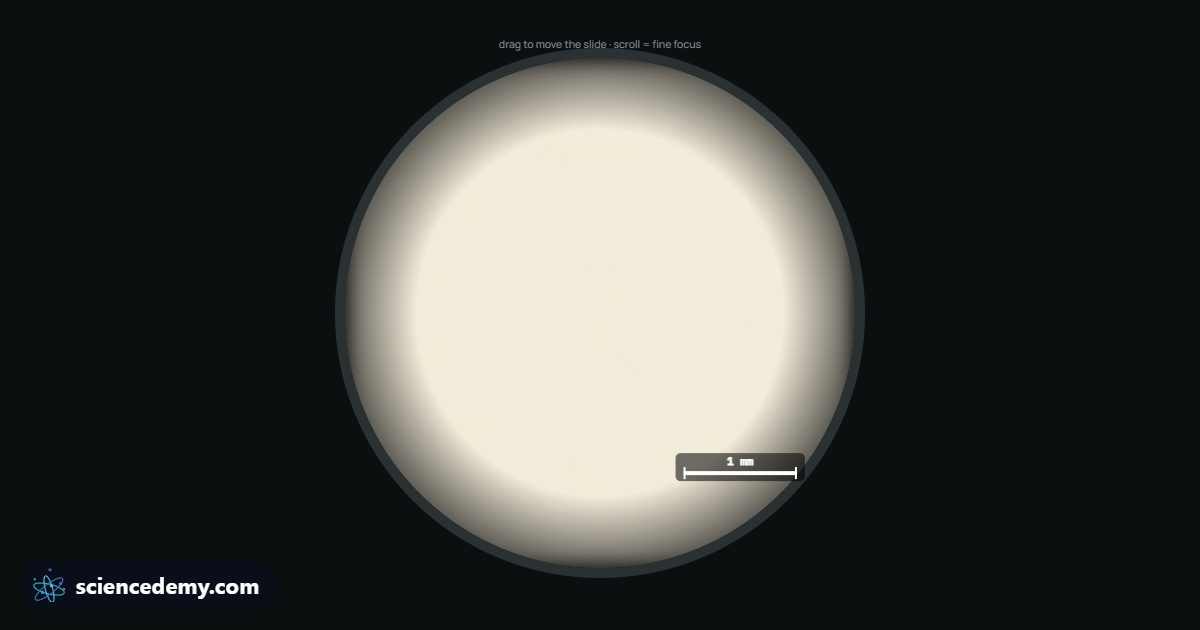 المجهري الافتراضيحمّل شريحة، غيّر العدسات وركز على خلايا البصل، خلايا الخد، الدم والمزيد.
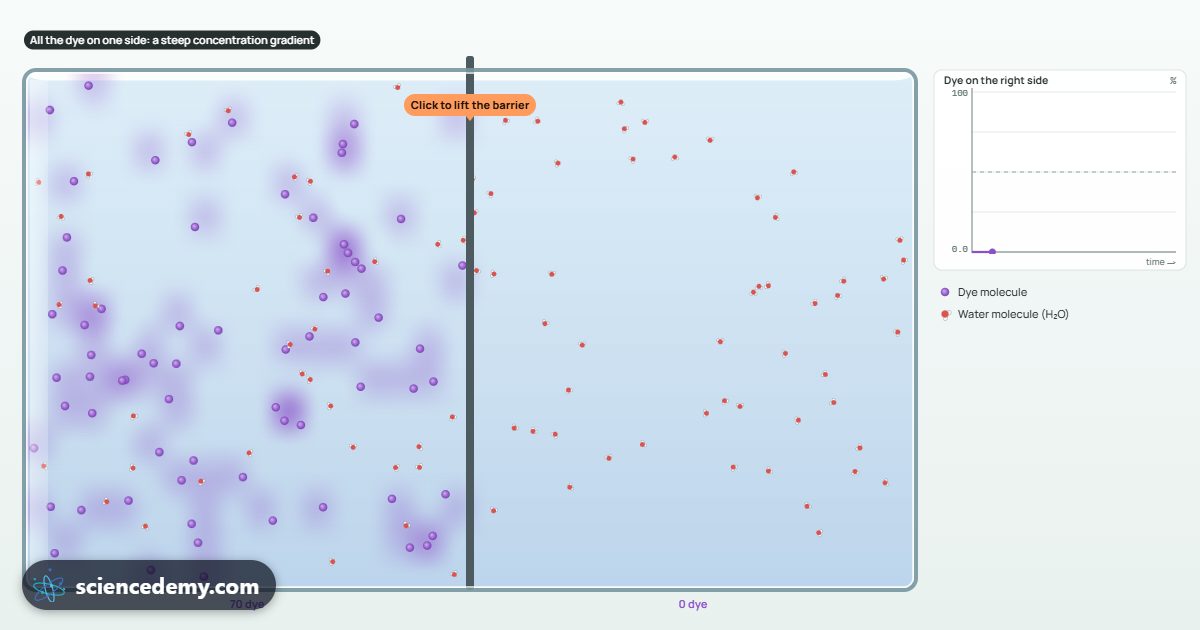 الانتشار & التناضحشاهد الجسيمات تنتشر، والماء يعبر الغشاء، والخلايا تنتفخ أو تنفجر أو تذبل في محاليل مختلفة.
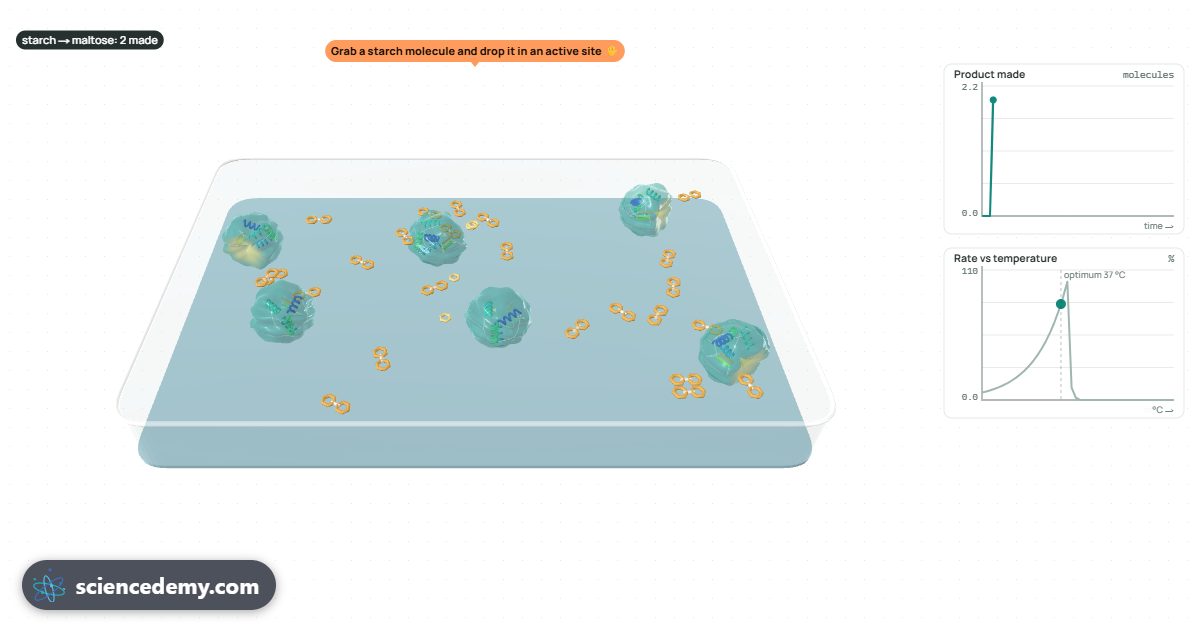 مختبر الإنزيماتتطابق الركائز مع المواقع النشطة، ثم قم بتسخينها، وتغيير الأس الهيدروجيني وإضافة المثبطات حتى ينكشف الإنزيم.
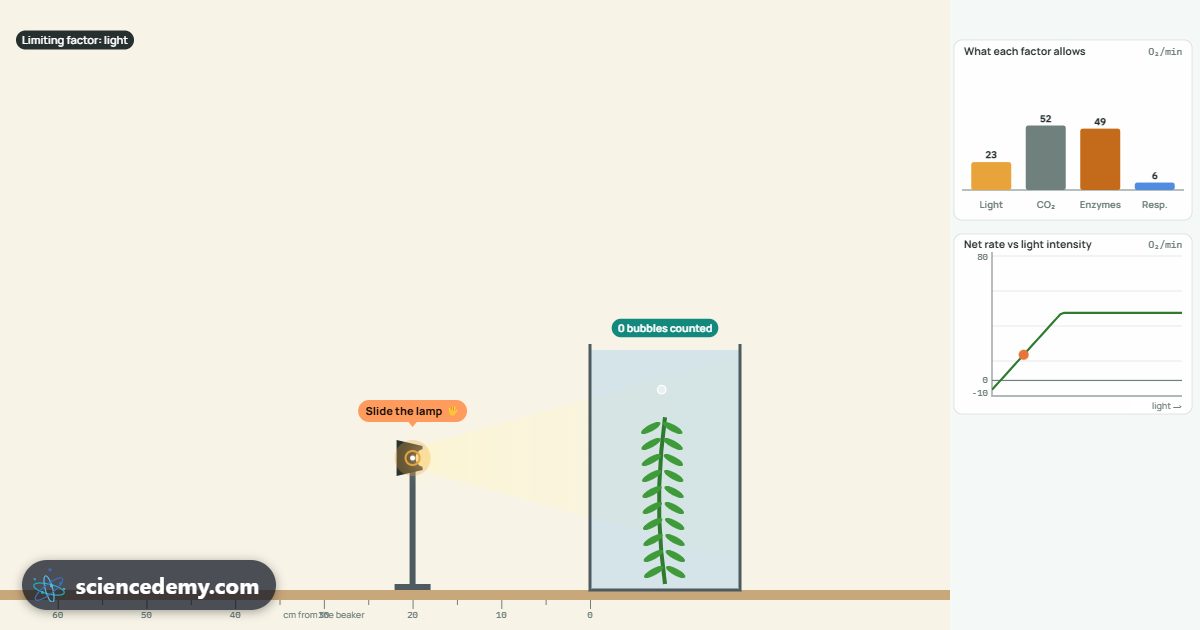 البناءية الخل والتنفساحسب فقاعات الأكسجين من نبات البطيخ تحت المصباح واكتشف العامل المحدد، نهاراً وليلاً.
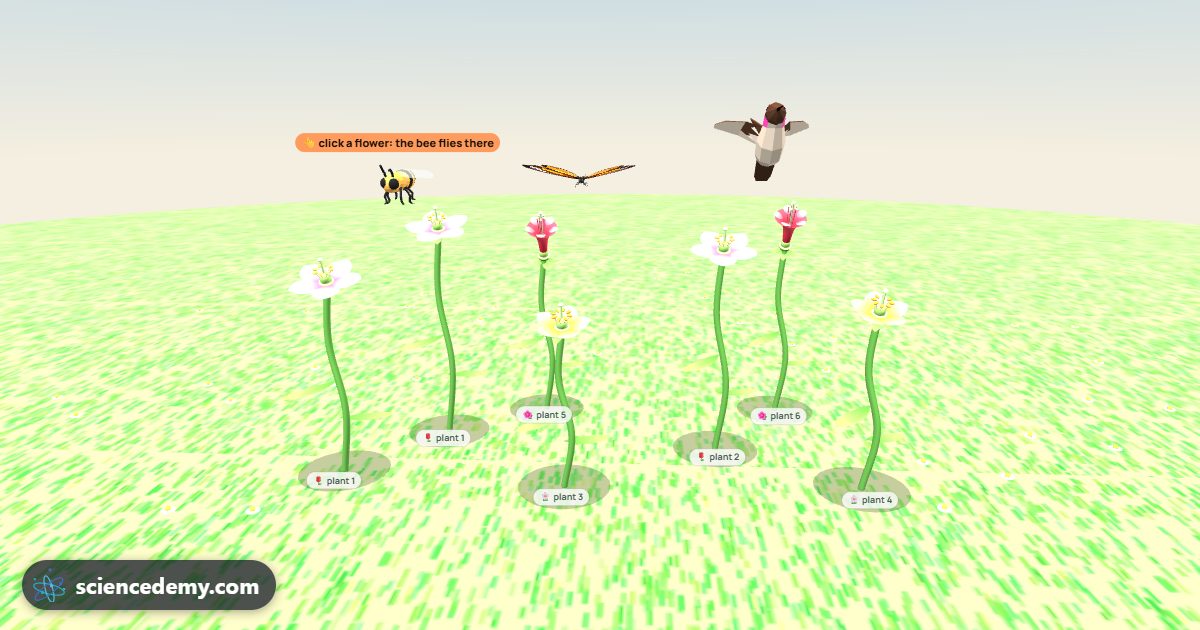 PollinationFly a bee round a 3D garden: carry pollen, watch the pollen tube grow and see fruit and seeds form.
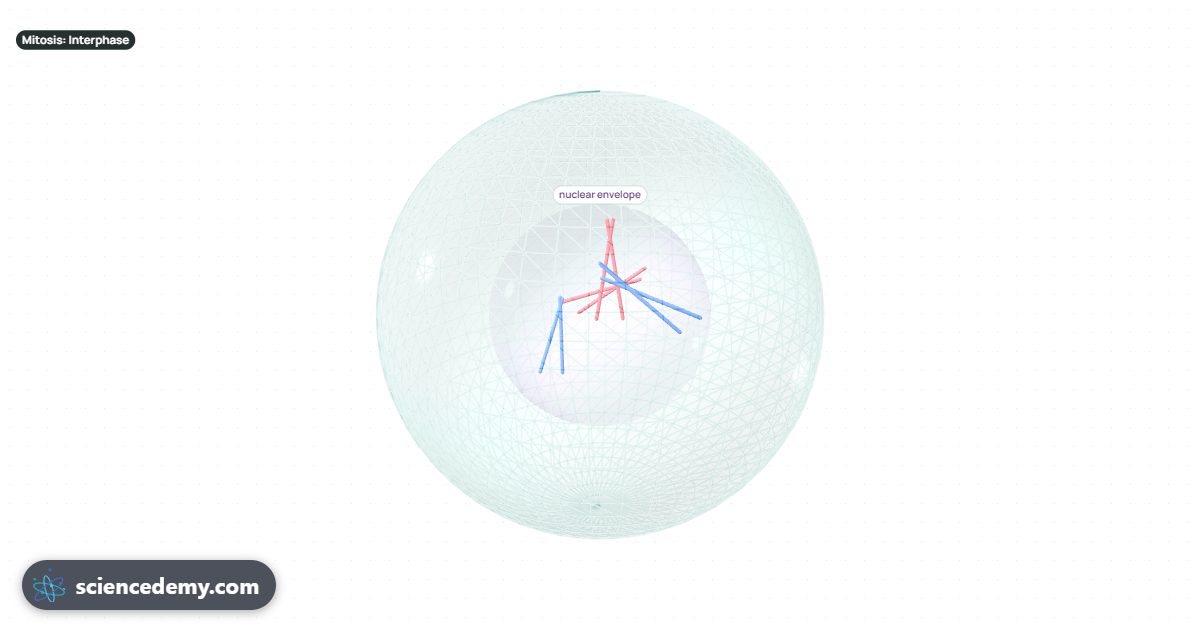 انقسام الخلية: الانقسام الفتيلي & الانقسام المنصّفاستعرض الانقسام المتساوي والانقسام الاختزالي: النسخ منصب الكروموسومات، تصطف، تتقاطع وتتفكك.
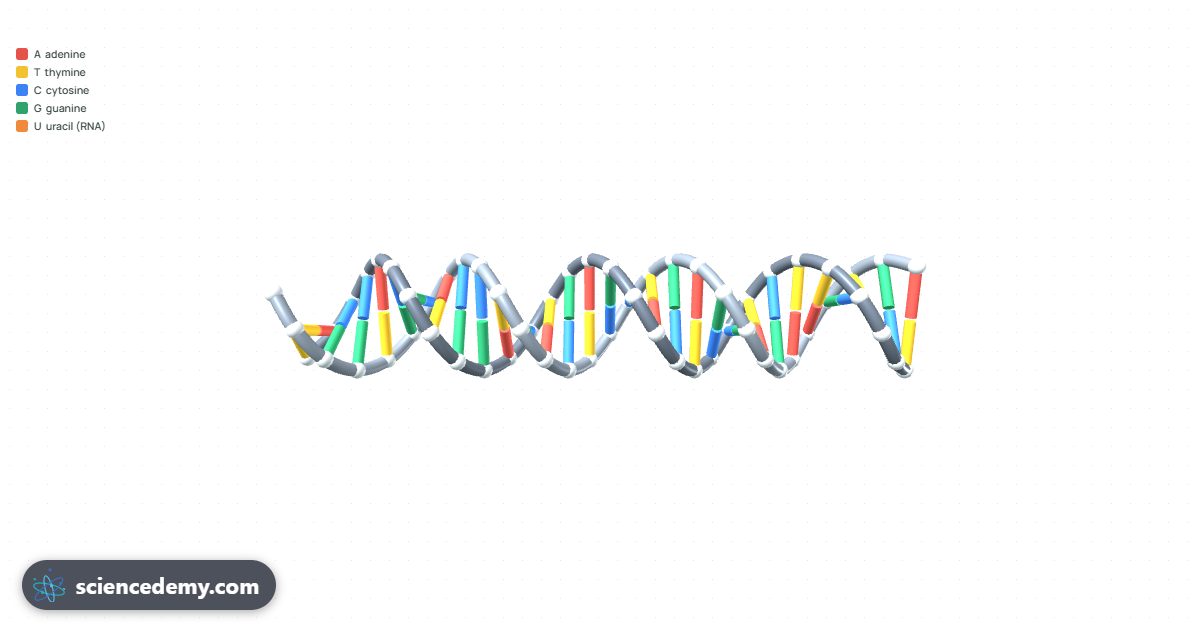 صانع الدناقم بزا أزواج القواعد، افكحلزون، اصنع حمضًا نوويًا رسولًا وقم بترجمته إلى بروتين.
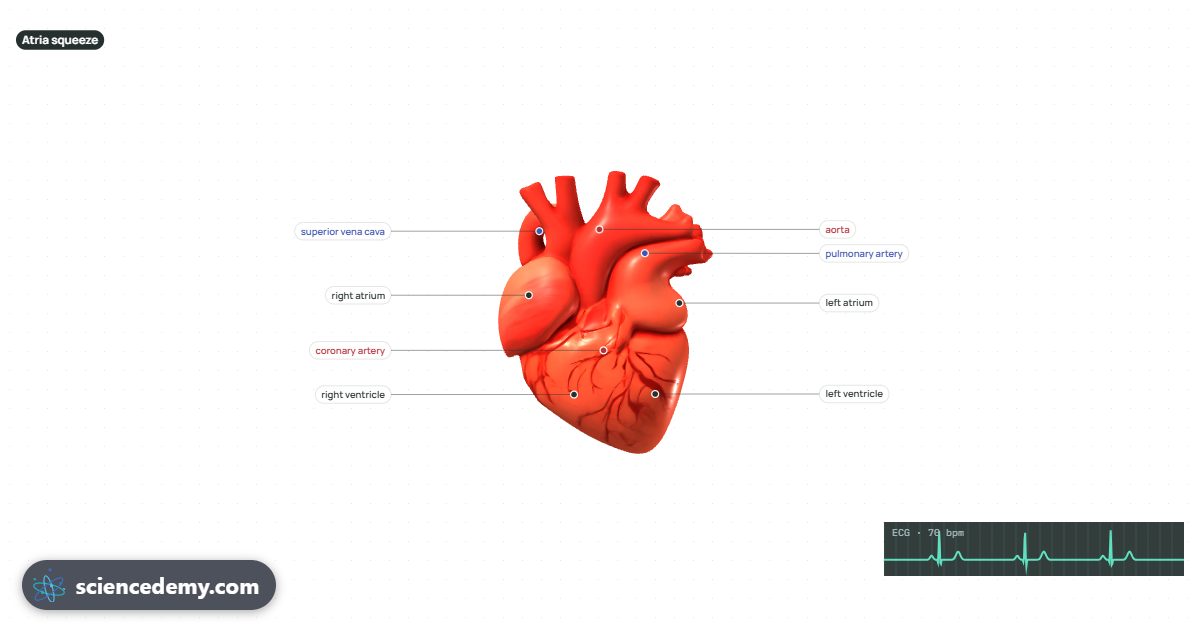 القلب & الدورة الدمويةاتبع الدورة الدموية عبر الغرف والأبواب الأربعة، اطلع على تخطيط القلب الكهربائي وشاهد كيف يغير التمرين النتاج القلبي.
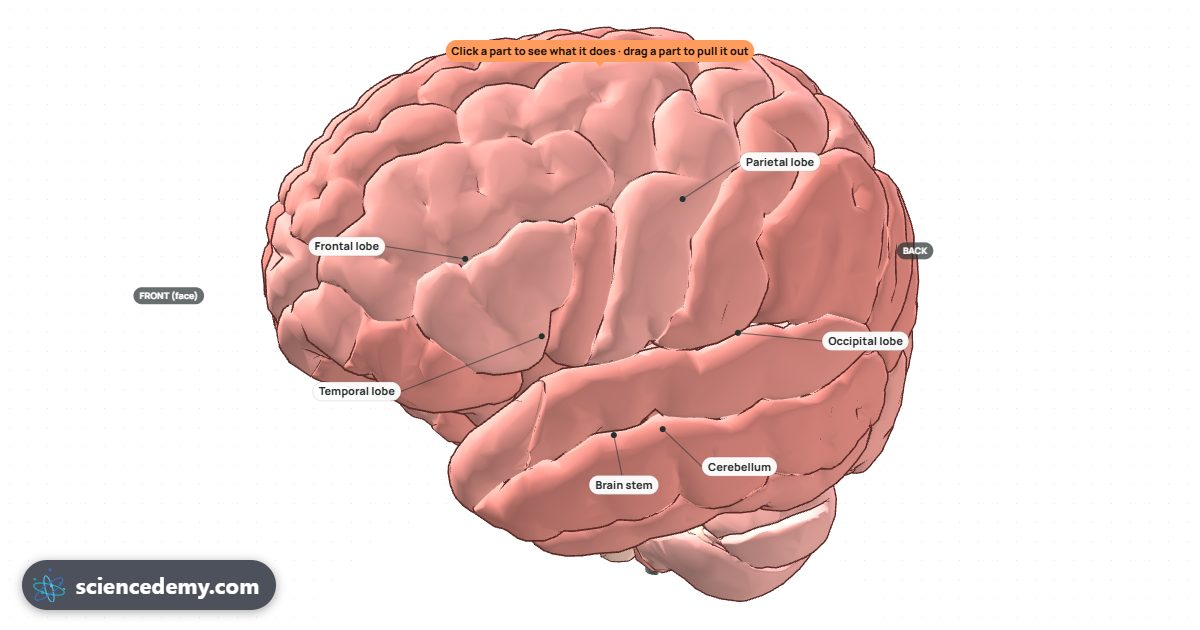 Brain & NeuronsTurn a real 3D brain, light up its lobes, then fire a neuron and send an impulse across a synapse.
- صيغ الأحياءمعادلات الأحياء كل منها حاسبة: التكبير، هاردي-واينبرغ، النتاج القلبي والمزيد.
Virtual maths lab
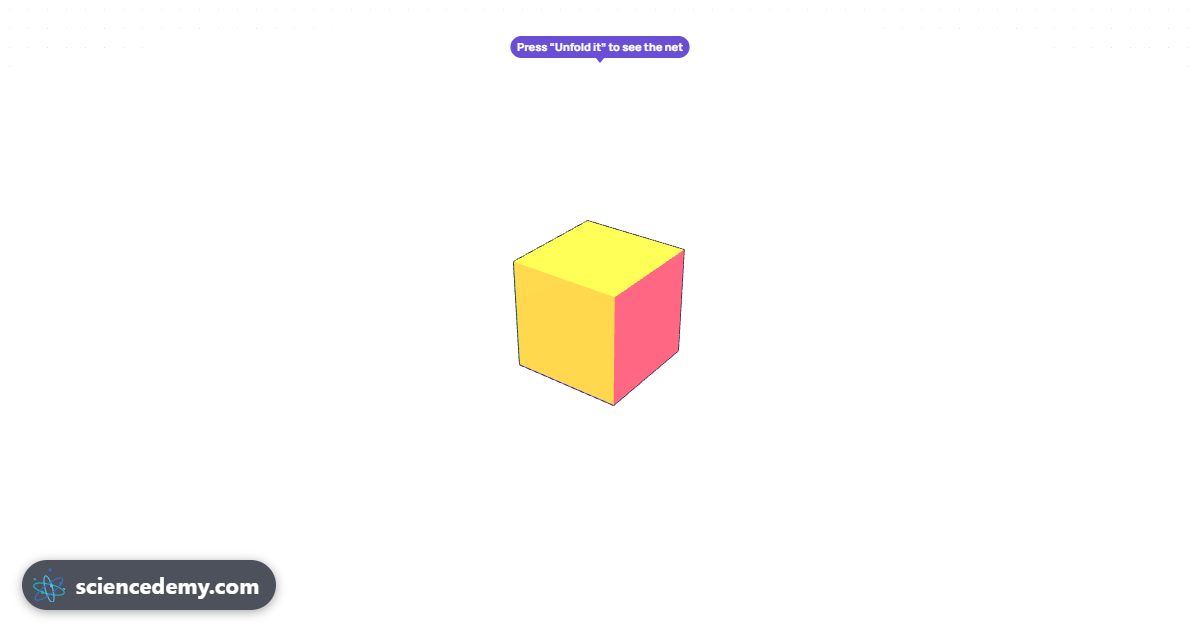
Unfold 3D shapes into nets, fill them with water to find their volume and slice them into cross-sections.
Using the virtual lab in class
- Before a practical: run it virtually first. Students predict, try the method and spot what could go wrong.
- Instead of a demo: project a lab and let the class call out what to change next (temperature, voltage, mass).
- For the dangerous or impossible: chlorine from brine, burning metals, nuclear fusion, the inside of a living brain.
- For homework and revision: the guided tour teaches, the quiz checks, and every wrong answer explains itself.
How it compares
| Feature | Science Academy | Typical paid virtual lab | Video demo |
|---|---|---|---|
| Price | Free | Per student licence | Free |
| Login or install | None | Account needed | None |
| You control the experiment | Yes | Yes | No |
| Turn it round in 3D | Yes | Sometimes | No |
| Phones and Chromebooks | Yes | Often not | Yes |
Frequently asked questions
What is a virtual 3D lab?
A virtual 3D lab is a science experiment you run on a screen instead of at a bench. You pick up the apparatus, change the conditions and watch the result in three dimensions, from any angle. Every lab here is free and runs in a web browser with nothing to install.
Is this virtual science lab free?
Yes. Every lab, guided tour and quiz on Science Academy is free, with no account, no login and no download. It runs on laptops, Chromebooks, tablets and phones.
Can a virtual lab replace real practicals?
Not completely: handling real equipment matters. A virtual lab is best before a practical (to plan and predict), after it (to explain the results) and for experiments too dangerous, slow, small or expensive for school, like electrolysis of brine, nuclear fusion or watching a single neuron fire.
Which subjects does the virtual lab cover?
Chemistry (9 labs: atoms, bonding, reactions, electrolysis, energetics), physics (12 labs: forces, momentum, waves, circuits, optics, gravity and orbits) and biology (11 labs: cells, DNA, enzymes, osmosis, the heart and the brain).
What age is it for?
It is written for secondary school, roughly ages 11 to 18 (KS3, GCSE, IGCSE, A level, and middle and high school science in the US). Each lab starts simple, and the guided tour, numbers and quiz go further for older students.
